


Insulation Removal: What Every UK Homeowner Needs to Know About Spray Foam

Has a surveyor flagged spray foam in your roof space? Are you struggling to sell or remortgage? You’ve arrived at the same crossroads thousands of UK homeowners face every year: insulation removal.
It sounds straightforward. But insulation removal — particularly spray foam removal — is one of the most misunderstood jobs in the domestic property sector. Get it wrong, and it can cost you a mortgage, devalue your property, or cause structural damage far worse than the original problem.
What Is Spray Foam and Why Is It a Problem?
Spray foam insulation expands on contact with air, filling gaps and coating surfaces. Contractors marketed it heavily to UK homeowners throughout the 2000s and 2010s as a quick way to cut heating bills and draught-proof older properties.
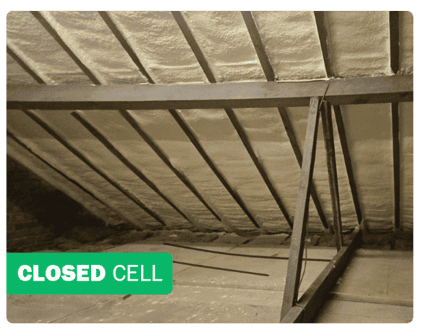
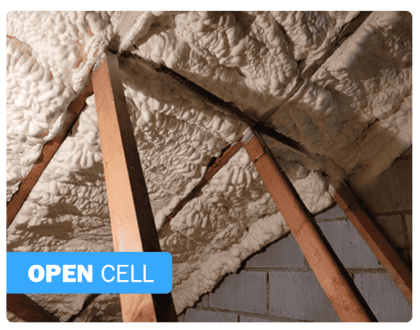
Two types exist: open-cell foam (softer and flexible) and closed-cell foam (dense, rigid, and highly adhesive). Contractors applied closed-cell foam directly to roof timbers in UK lofts most often. It’s also the hardest to remove.
It was sold as a cost-saving solution. In reality, it has caused serious structural, financial, and legal problems for homeowners across the UK. Here’s why
It Prevents Structural Inspection
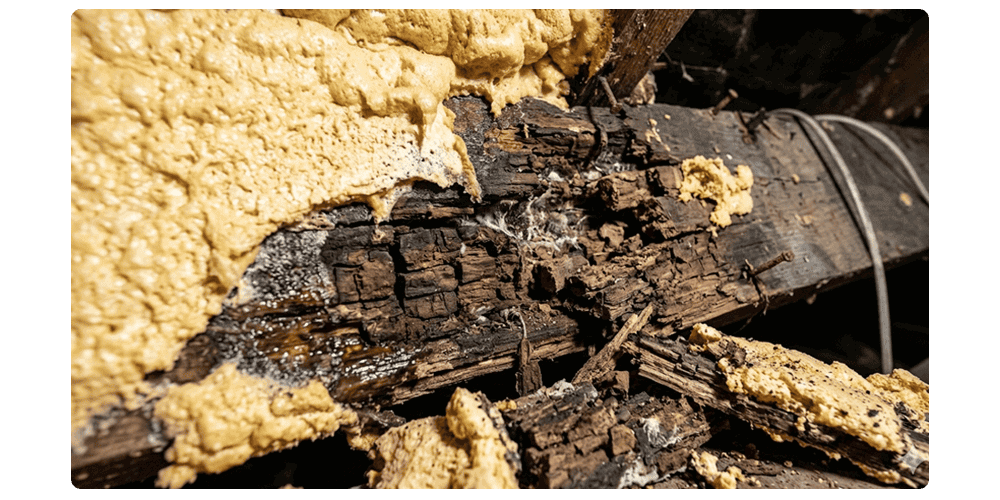
Closed-cell spray foam encases roof timbers completely. Surveyors and structural engineers can’t inspect the wood beneath. They can’t check for rot, beetle damage, or structural movement. This is why mortgage lenders decline or hold applications on properties with spray foam.
RICS guidance tells surveyors to flag spray foam and recommend specialist reports. Most valuers will down-value a property — or refuse to value it at all — until specialists remove the foam and assess the timbers.
It Causes Condensation and Rot
Timber roofs need to breathe. Spray foam seals the roof void and kills natural airflow. Moisture then builds up inside the timber with nowhere to escape. Over time, this causes wet rot, dry rot, and in serious cases, rafters fail completely.
Many homeowners paid to have spray foam installed to save money. They later spent tens of thousands on roof repairs because of it.
Seek out specialists in spray foam removal specifically — not general insulation or loft clearance firms. Ask to see example reports before you commit. Check the quote covers a full post-removal timber assessment and written documentation. Make sure the contractor holds adequate public liability insurance. And treat very low quotes with caution — this is skilled, time-intensive work. Cutting corners on the assessment or report won’t satisfy a lender.
The best specialists also understand the mortgage and conveyancing process. They can liaise directly with your solicitor or broker and get the right documentation to the right people.
Mortgage Lenders Won’t Accept It
This is what drives most people to call an insulation removal specialist. Nationwide, Halifax, Barclays, NatWest, and most high street lenders have all issued guidance on spray foam. Their position is clear: spray foam in a roof space is unacceptable until specialists remove it and independently assess the timbers.
It Can Void Warranties and Insurance
Spray foam on the underside of roof tiles can invalidate tile manufacturer warranties. Some buildings insurers have also refused claims where spray foam contributed to or concealed damage.
Contact Smart Solutions 365 today for a FREE insulation assessment and let’s build a warmer, more efficient future together.
Related Posts


Locations of
Operation
Areas we cover
Nationwide UK & Scotland coverage with local technicians in:
Aberdeen, Torquay, Exeter, Edinburgh, Taunton, Dorchester, Bournemouth, Southampton, Salisbury, Reading, Slough, Hemel Hempstead, Oxford, Glasgow, Dundee, Swindon, Gloucester, Worcester, Hereford, Newport, Cardiff, Bristol, Bath.

Our Accreditations