


A staggering 250,000 plus UK households are sitting on what property experts call a property time bomb. Homes are being rendered virtually unmortgageable due to spray foam insulation in lofts and failing cavity wall insulation. What was once marketed as an energy efficient solution has transformed into a financial nightmare for homeowners across Britain. Major lenders are systematically rejecting mortgage applications on affected properties.
The lending crisis has escalated dramatically. Household name lenders are taking increasingly hardline stances. TSB rejects spray foam properties outright. Skipton Building Society and numerous other major institutions have implemented blanket bans on lending against homes with this insulation type. The result leaves homeowners trapped in properties they cannot sell. Prospective buyers face mortgage refusals that kill transactions at the final hurdle.
The Scale of the Double Insulation Crisis
The numbers paint a stark picture of this unfolding crisis across the UK:
-
Over 250,000 properties are actively affected by spray foam issues.
-
Hundreds of thousands more suffer from damp caused by failing cavity wall insulation.
-
High street banks are flatly refusing to lend until the material is extracted.
-
Property values are plummeting as the mortgage market effectively closes to these homes.
This is not merely a case of lenders being overly cautious. There are genuine structural and safety concerns driving these decisions. Spray foam insulation and poorly installed cavity wall insulation cause significant damage to roof timbers and wall ties. They create severe moisture problems and make essential maintenance impossible.
Why UK Lenders Reject Spray Foam: The Structural Reality
The UK mortgage crisis stems from fundamental concerns about property assessment and long term structural integrity.
When spray foam insulation is applied to roof spaces, it creates an impenetrable barrier that completely conceals the underlying roof structure. This poses a significant challenge for mortgage surveyors who require clear visibility of timber rafters, joists, and roofing materials to assess their condition. Without being able to inspect for timber rot, structural damage, or water ingress, surveyors cannot provide the comprehensive structural assessment that lenders demand.
Trapped Moisture and Structural Decay
The most serious concern centres on non breathable closed cell spray foam. This creates an airtight seal around roof timbers, preventing natural ventilation and trapping condensation against wooden structures.
RICS Industry Warning: The inability to inspect roof structures combined with moisture retention concerns creates unacceptable risks for mortgage lenders. We are seeing increased reports of timber deterioration where spray foam has been applied without proper ventilation.
The Twin Danger: Why Cavity Wall Insulation Fails
While spray foam ravages lofts, defective or degraded cavity wall insulation operates silently inside your walls. Originally designed to keep heat in, improper installation or the wrong material choice can cause massive structural deterioration.
How Cavity Insulation Damages Your Home
UK properties experience driving rain. A cavity wall is designed to let water penetrate the outer brick layer and drain away safely. When a cavity is filled with improper foam or deteriorated mineral wool, it acts like a giant sponge.
-
Bridge for Moisture: Water travels directly from the wet outer brickwork to your dry internal walls.
-
Internal Damp and Black Mould: This ruined insulation causes ruined wallpaper, damp patches, and toxic black mould.
-
Wall Tie Failure: Continuous moisture inside the cavity corrodes the metal wall ties holding your house together, leading to bulging walls or structural collapse.
Lenders are now tracking cavity wall issues just as stringently as loft insulation. If an extraction certificate is missing for a failing cavity, mortgage approval will grind to a halt.
Open Cell vs. Closed Cell Spray Foam
Understanding the difference between open cell and closed cell foam is essential for grasping why lenders maintain strict policies.
Even homes with the supposedly better open cell foam face massive mortgage difficulties. Surveyors simply cannot gamble on what is happening to the timbers beneath the surface.
| Property Type | Typical Loft Footprint | Estimated Cost Range |
|---|---|---|
| Mid / End Terrace | 30 to 50 m² | £2,500 to £4,000 |
| Semi Detached (3 Bed) | 50 to 80 m² | £4,000 to £6,500 |
| Standard Detached | 80 to 120 m² | £6,500 to £10,000 |
| Large Detached / Complex Roof | 120+ m² | £10,000 to £15,000+ |
The Solution: Professional Spray Foam Removal and Cavity Wall Extraction
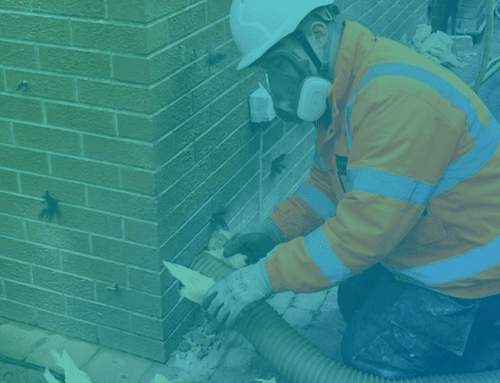
The mortgage market message is absolutely clear. The insulation must go. Attempting a DIY removal carries significant risks. It releases hazardous chemicals into your home and causes further structural damage to fragile roof timbers or wall structures. Lenders will not accept DIY extraction. They require certified proof from qualified professionals that the property is clean.
Smart Solutions 365 delivers a certified, multi stage extraction process to restore your home to pristine condition.
Understanding Spray Foam Removal Cost Factors
The spray foam removal cost across the UK varies based on several key factors:
-
Type of foam applied: Polyurethane closed cell foams are far more complex to remove than open cell variants.
-
Area size: Larger roof spaces and multi storey cavity walls require more technical resources.
-
Accessibility: Restricted access areas or narrow cavities increase the overall labour time.
-
Underlying condition: Roofs or walls that have already suffered moisture damage may require structural restoration alongside extraction.
While the upfront cost is an investment, it completely restores the lost value of your home. Properties that languished on the market for months suddenly attract serious buyers and competitive mortgage rates the moment certification is delivered.
Secure Your Home’s Future Today
Do not let your home remain on the wrong side of the UK property market divide. Watching your property value stagnate or facing continued mortgage rejections is a stressful cycle. Professional extraction protects your asset and secures your financial future.
Contact the certified specialist team at Smart Solutions 365 today for a comprehensive survey and a clear, transparent removal quote. Your property value depends on the decisions you make today.


Related Posts


Locations of
Operation
Areas we cover
Nationwide UK & Scotland coverage with local technicians in:
Aberdeen, Torquay, Exeter, Edinburgh, Taunton, Dorchester, Bournemouth, Southampton, Salisbury, Reading, Slough, Hemel Hempstead, Oxford, Glasgow, Dundee, Swindon, Gloucester, Worcester, Hereford, Newport, Cardiff, Bristol, Bath.

Our Accreditations